What Is a 401(k) Audit and When Do I Need One?
Understanding the "who, what, and when" of plan audits is critical to maintaining a compliant plan and avoiding costly penalties
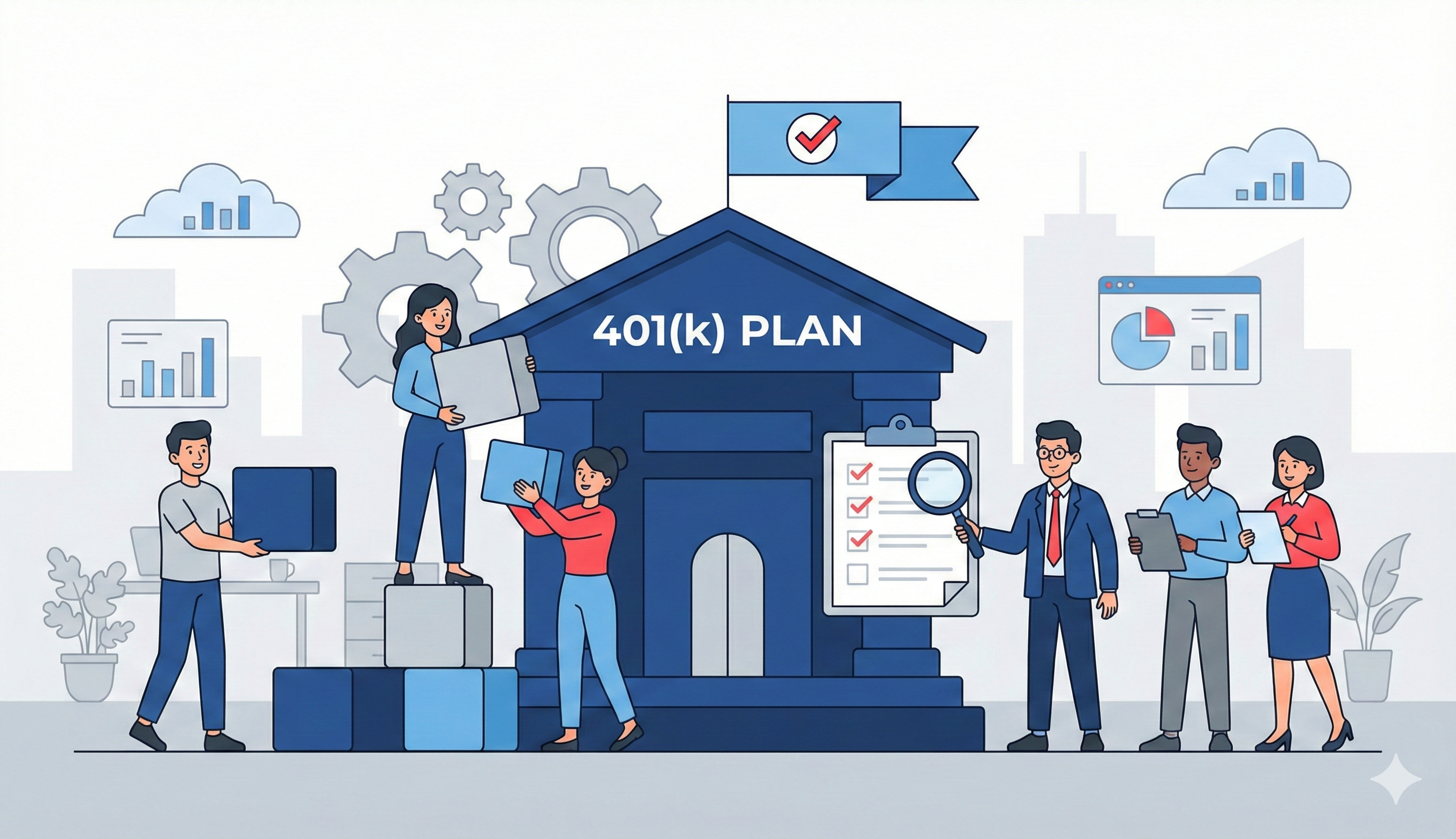
For HR directors and plan sponsors, managing a company retirement plan involves a complex web of administrative duties, fiduciary responsibilities, and regulatory compliance. Among these responsibilities, few cause as much confusion—and potential anxiety—as the annual audit.
Understanding the "who, what, and when" of plan audits is critical to maintaining a compliant plan and avoiding costly penalties. Whether you are launching a new plan or managing a growing workforce, knowing when to bring in Employee benefit plan Auditors is a key part of your fiduciary duty.
What is a 401(k) Plan Audit?
A 401(k) audit is a third-party examination of your retirement plan’s financial statements. It is not an audit of the company's finances, but rather a specific review of the plan itself.
The primary goal is to verify that the plan's financial data is accurate and that the plan is operating in compliance with its own plan documents and federal regulations set by the Employee Retirement Income Security Act of 1974 (ERISA) and the Internal Revenue Service (IRS).
The audit culminates in a report that must be attached to the plan’s annual Form 5500 filing. Because this is a specialized field, the Department of Labor (DOL) emphasizes the importance of hiring a qualified independent public accountant (IQPA) to conduct the review.
The 100-Participant Rule: When Do You Need an Audit?
The requirement for an audit is generally determined by the number of "eligible participants" in your plan at the beginning of the plan year.
Under federal law, plans are categorized into two main groups for Form 5500 reporting:
Small Plans: Generally fewer than 100 participants.
Large Plans: Generally 100 or more participants.
If your plan falls into the "Large Plan" category, you are typically required to hire a 401k auditor to conduct an independent audit. It is important to note that "participants" includes not just current employees actively contributing, but also eligible employees who have opted not to contribute, as well as retired or separated employees who still maintain a balance in the plan.
The 80-120 Participant Rule Exception
If your company is growing, you might be hovering right around that 100-employee mark. Fortunately, the DOL provides a special exception known as the 80-120 Rule to prevent plans from bouncing back and forth between "small" and "large" status year over year.
Here is how it works:
If your plan has between 80 and 120 participants at the beginning of the plan year, and you filed as a "small plan" the previous year, you may elect to file as a small plan again.
This waiver allows you to avoid the cost and administrative burden of a full audit until the participant count exceeds 120.
Because this rule can be nuanced, it is wise to consult with a professional advisor to confirm your status before filing.
What Do Auditors Look For?
The scope of a 401(k) audit is comprehensive. The auditor’s job is to ensure that the plan is being managed solely in the interest of the participants. During the engagement, the auditor will typically review:
Timeliness of Contributions: Are employee deferrals being deposited into the trust account within the required timeframe?
Eligibility: Are eligible employees being allowed to join the plan at the correct time according to the plan document?
Distributions and Loans: Are participant withdrawals and 401(k) loans being calculated and processed correctly?
Plan Documents: Is the plan operating strictly according to the rules outlined in its adoption agreement?
Failure in these areas can lead to significant fines or the disqualification of the plan’s tax-exempt status.
Choosing the Right Auditor
Not all CPAs are created equal. Retirement plan auditing is a highly technical niche. A generalist accountant may miss specific ERISA compliance issues that a specialist would catch immediately.
When selecting a provider, you should look for a firm with a proven track record in employee benefit plans. This is true regardless of the type of plan you manage. For example:
If you manage a non-profit or school plan, you need a specialized 403b auditor.
If your company has an Employee Stock Ownership Plan, you should specifically look for an ESOP auditor.
Companies managing traditional pension plans will require a defined benefit auditor.
Using a directory like Plan Provider Pro can help you filter for these specific certifications and experience levels.
Conclusion
A 401(k) audit is a sign of a growing, successful company, but it also brings increased scrutiny. By understanding the participant thresholds and preparing your documentation early, you can ensure a smooth audit process.
If you are approaching the 100-participant mark, now is the time to start looking for a qualified partner. Visit our directory to compare providers and find the right auditor for your plan's specific needs.
For more information on your fiduciary responsibilities, visit the Department of Labor's ERISA page.